
Why Retirement Villages Improve the Lives of Retirees.
A spotlight on the contribution to housing and healthcare benefits with age-friendly communities
Better Housing for Better Health is a recent report issued by the Retirement Living Council (RLC) which has concluded that people who live in retirement communities are less lonely and less depressed than older Australians who live independently, because retirement communities encourage physical wellbeing and social interaction.
The executive director, Daniel Gannon further explains the economic impact this has on the economy “Retirement villages across Australia are already saving the government a billion dollars a year, by delaying residents’ entry into aged care, and quite simply, we need more of them.”
While the retirement living industry is often confused with aged care, the first-of-its-kind report sends a strong message to government about the value of the sector, the affordability it provides in an otherwise unaffordable housing market and why its residents live healthier lives.
“For the first time, this report shows how our sector has actual solutions to Australia’s two biggest worrying trends – our housing crisis and our rapidly ageing population,” he said.
Some of the key findings from Better Housing for Better Health reveal that residents in retirement communities are:
- 15 per cent more physically active.
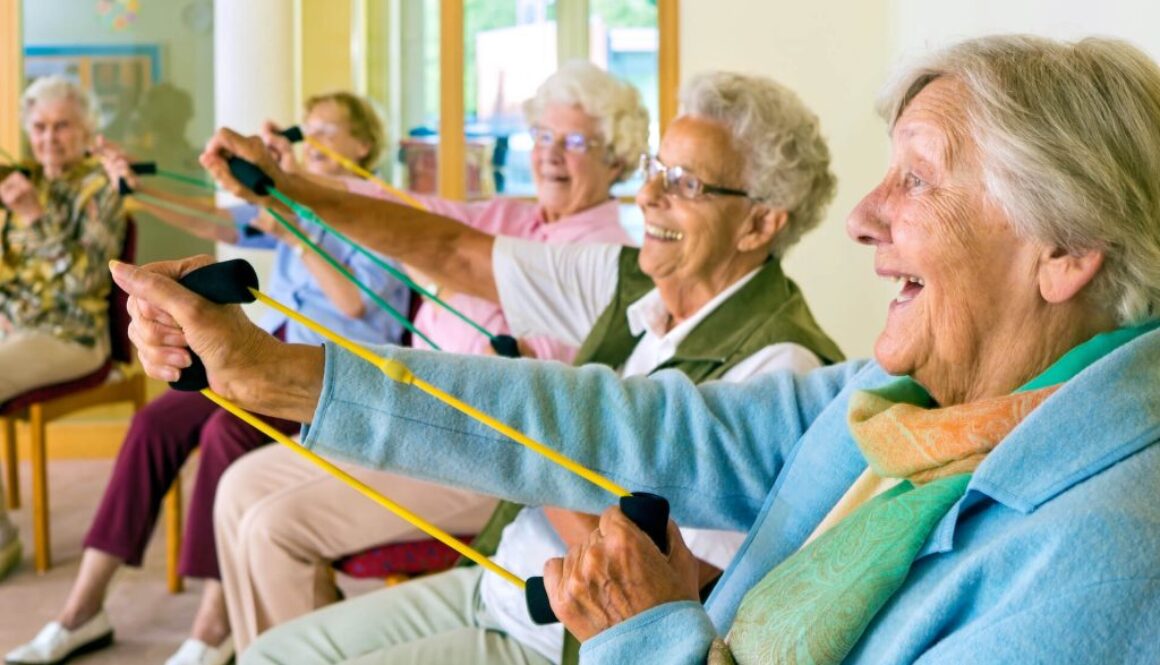
- 41 per cent happier, and both physically and mentally healthier.
- Five times more socially active.
- Twice as likely to catch up with family or friends.
- Have reduced levels of depression and loneliness, saving governments almost $5 million in additional healthcare costs.
And the following statistics all translate to improved economic benefits as well:
- National expenditure on aged care reduces by $945 million annually due to delaying entry of approximately 11,600 people into residential aged care by two years.
- Residents interact less frequently with the healthcare systems, and are:
- 20 per cent less likely to require hospitalisation after only nine months, and
- Avoid 14,000 annual hospitalisations.
- The current pipeline of retirement communities will reduce the housing shortage by 18 per cent.
- Growing this pipeline to meet current demand levels could reduce Australia’s housing shortage by 67 per cent.
The report concludes that aged-friendly housing can reduce interactions between older Australians, GPs and hospitals. This,in turn, releases capacity back into health systems for those who need it most and when they need it most.
“Better housing that enables better health outcomes for ageing Australians is imperative, and the bonus is that it’s good for governments too,” Mr Gannon said.
Given the findings of this report, it is evident that the supply of retirement village communites is only going to increase at a rapid rate. The Fitz Factor is continually updating its detailed database of retirement villages (and residential aged care homes) and visiting these communities which means our clients can rest assured we provide up-to-date information on all options that meet your location, lifestyle and budget preferences.